
ATR-CHK1-WEE1 Pathway Inhibition Induces Cell Death In Ewing Sarcoma Cells Experiencing DNA Replication Stress
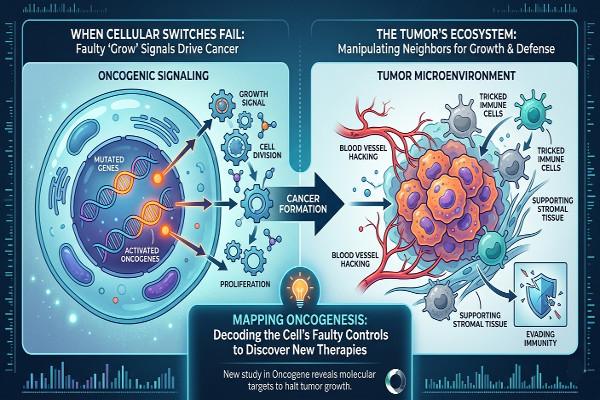
This article explores another promising treatment strategy for Ewing Sarcoma. Doctors often treat this cancer with drugs that damage the tumor’s DNA and block the proteins it uses to repair itself, specifically targeting the “ATR-CHK1-WEE1” protective pathway. Scientists previously believed these treatments killed cancer cells by prematurely forcing them into mitosis (the process of cell division), which caused them to self-destruct from severe genetic mistakes. However, this study discovered that the treatment works differently in Ewing sarcoma cells: instead of forcing them to divide, the drugs trap the cells during the DNA-copying phase (S-phase) and trigger rapid cell death (apoptosis) within just two to four hours.
The researchers discovered that this fast cell death is driven by the hyperactivation of a molecule called CDK1, working alongside cell-killing enzymes called caspases. Crucially, the combination treatment also halts the cancer cells’ ability to manufacture new proteins. This freeze on protein production prevents the cells from entering the division stage, providing a clear explanation for why they do not undergo premature mitosis. By successfully mapping out how these drug combinations exploit the cancer’s unique weaknesses, this research challenges long-held medical assumptions and opens the door for designing more effective, targeted therapies for patients battling Ewing Sarcoma.
Read the full article