
The Status Of Immunotherapy In Pediatric Bone Sarcomas
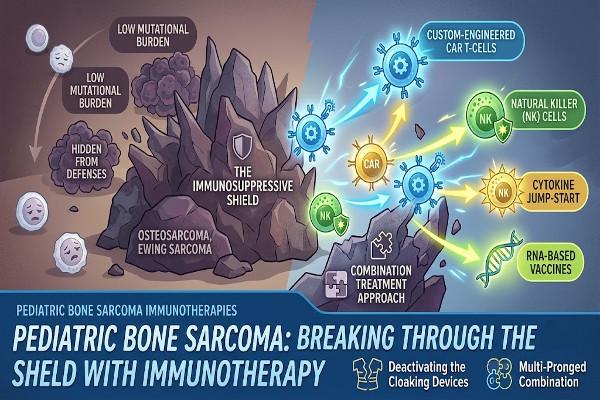
Researchers are focusing on finding better ways to treat pediatric bone sarcomas, specifically osteosarcoma and Ewing sarcoma, which are the most common bone cancers in children and teenagers. While standard treatments like surgery, chemotherapy, and radiation work well for patients whose cancer is caught early and hasn’t spread, survival rates for children whose cancer has relapsed or spread (metastatic) have stalled for decades. The main roadblock is that these tumors are incredibly smart at hiding from the body’s natural defenses. They feature a very low mutational burden (fewer genetic mistakes for the immune system to recognize as a threat) and construct an “immunosuppressive” shield around themselves that actively shuts down any incoming immune cells.
To break through this cellular armor, several new immunotherapies currently being tested in clinical trials. These cutting-edge strategies include custom-engineered immune cells—such as Natural Killer (NK) cells and CAR T-cells—designed to hunt down the cancer, cytokine proteins to jump-start the body’s natural defenses, and modern RNA-based vaccines. While these therapies currently battle the tumor’s harsh environment, the article concludes that the most promising path forward is using combination treatments. By pairing these immune-boosting therapies with drugs that disable the tumor’s cloaking devices, doctors hope to finally give the immune system the upper hand against these aggressive childhood cancers.
Read the full article