

Circulating IGF2BP3 Can Help Predict Treatment Response In Ewing Sarcoma
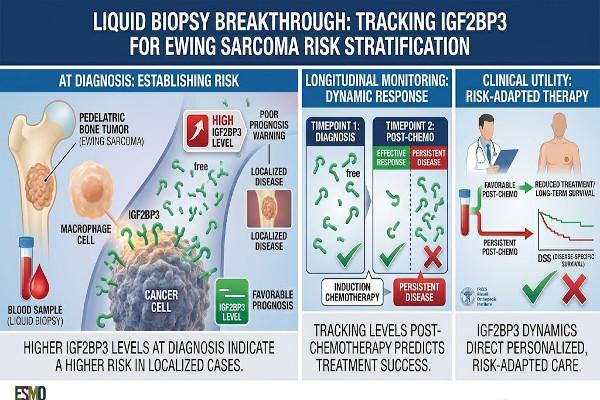
A new blood-based test could help doctors better predict treatment success and disease progression in patients with Ewing Sarcoma. Researchers focused on a specific protein called IGF2BP3, which is heavily produced by these cancer tumors to drive their growth and spread. By tracking this protein through a simple and cost-effective blood test (a liquid biopsy), scientists discovered that patients with EWS had significantly higher levels of circulating IGF2BP3 in their blood compared to healthy individuals.
The study revealed that monitoring this protein provides vital information for patients whose cancer has not yet spread (localized disease). For these individuals, having high levels of the protein at the time of diagnosis was a strong warning sign for a poorer chance of long-term survival. Furthermore, by tracking patients over time, researchers found that if blood levels of IGF2BP3 dropped significantly after a patient underwent initial chemotherapy, their survival outcomes were vastly improved. Conversely, if the protein levels stayed stubbornly high after treatment, it was an independent indicator that the cancer was likely to return or progress quickly. While further testing on larger groups of patients is required, this simple blood test offers a promising, minimally invasive tool to help doctors tailor and personalize cancer treatments more effectively.
Read the full article